How New Housing is Boosting Local Businesses in Haldimand
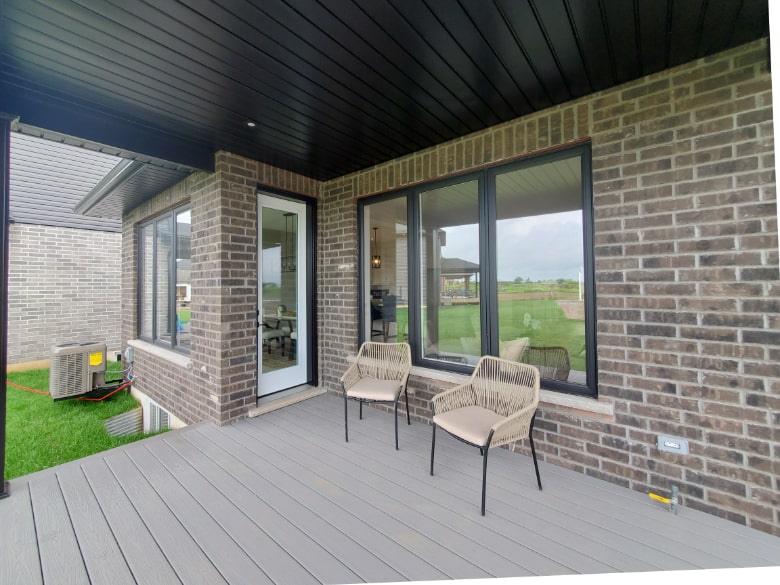 In recent years Haldimand County has seen a surge in new housing construction, especially in the affordable and mid-market sectors.
This wave of development is changing the skyline and giving a real economic lift to local businesses across the county Haldimand and Norfolk.
What’s Happening with Housing Growth
New homes are being built
In 2024 for instance, Haldimand County began construction on 310 new homes which represented approximately 89% of its housing targets for that year.
The Building Faster Fund
Funding from the Ontario government through the Building Faster Fund has helped Haldimand build more housing and essential infrastructure. The program rewards municipalities that meet their housing targets which has earned Haldimand with nearly 1 million dollars in support.
A new 56-unit affordable housing complex
As reported by CHCH, in Dunnville there was a significant project off Ramsey Drive that included a 56-unit affordable housing complex, with a child care facility and a new roadway. This development was subsidized with provincial funding of over 3 million dollars to help maintain accessibility for it’s residents.
Lots of private sector growth
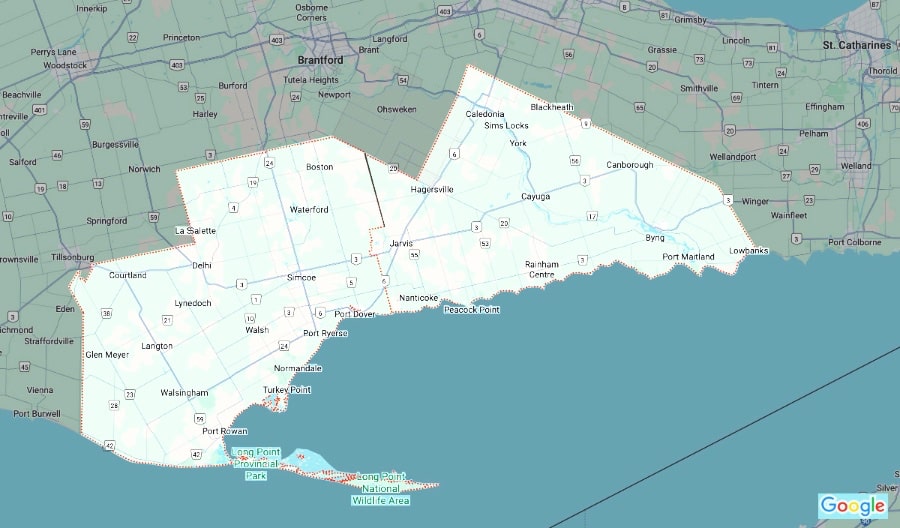
While public investments have supported key affordable housing initiatives, private developers are playing an equally important role in meeting Haldimand and Norfolk’s rising housing demand. One example of private sector growth is Keesmaat Homes. They are actively building out several large residential communities across the region with over 250 homes currently underway across four well-planned developments including High Valley Estates in Cayuga, Blue Grass Estates in Delhi, Jarvis Meadows in Jarvis, and East Street Towns in Simcoe. Each project contributes helps stimulate long-term economic activity and attracts new families, creates jobs, and increases foot traffic for surrounding businesses.
These homes represent a commitment to smart community growth
These homes represent a commitment to smart community growth with a focus on livability, neighbourhood identity, and long-term investment in the local economy.
These developments are responding to a strong demand:
- low vacancy rates for rentals
- rising housing costs
- a recognized need for varied types of housing (e.g. single-family, semi-detached, and townhouses)
The Economic Impact for Local Businesses
New homes bring new residents, and new residents need goods and services which translates into more business opportunities.
The increase of consumer demand
More families moving in means more grocery shopping, more spending at retail stores, more meals at restaurants, more demand for personal services (like salons, fitness, etc.). A growing population also means more service based business like local mechanics, plumbers and electricians will see more work.
Each year small shops and bigger businesses that might have been previously marginal are finding more steady customers are coming through the door.
More business creation
Developers and contractors involved in constructing homes need supplies, trades, landscaping, and property maintenance. Local suppliers and contractors are benefiting from that stream of work and the associated jobs.
New construction also attracts complementary businesses like childcare, medical clinics, cafes, etc. and are ready to serve the growing population.
New supporting infrastructure and services
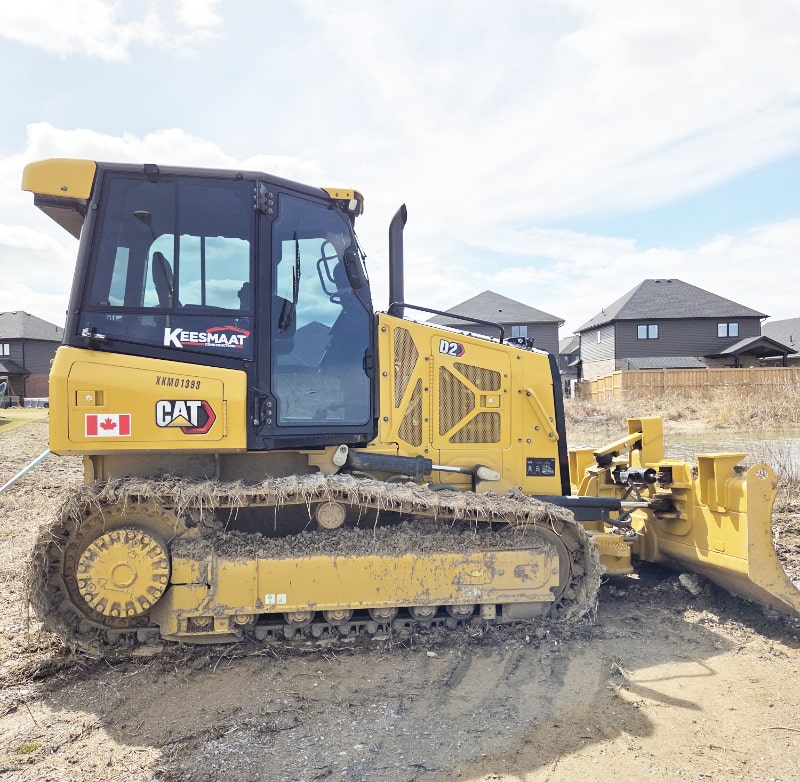 The new housing developments often come with infrastructure improvements (roads, utilities, public services) which serve new homes and enhance conditions for existing businesses which makes transportation, logistics, and access even better as each year passes.
For example, the Dunnville project includes a new roadway that will also open up more traffic and access for local residents and be ready for traffic grown in the coming years.
Property development and investment is stimulated
With increased housing starts and supportive housing policies, investors and developers are more likely to consider Haldimand County for further growth. This type of potential investment encourages local government to plan for business zones, amenities, and mixed-use nodes which can lead to more shops, services, and jobs.
Current Challenges and Considerations
When it comes to economic growth, as always there are balancing acts:
Ensuring affordability
A lot of recent housing in Haldimand is subsidized or intended to meet lower income thresholds, but maintaining affordability over time and making diverse housing types available still remains a task. The County’s Housing Master Plan highlights the need for more rental units and supportive housing and note that demand in these categories is outpacing supply.
Infrastructure and services must keep pace
New housing demands more roads, water, sewage, schools, public transit, child care etc. If those areas lag, then businesses and residents may struggle. The Housing Master Plan notes that Haldimand’s rapid growth will continue to need long-term investment in water and wastewater systems in particular since capacity limits could restrict future development without timely upgrades.
Land use planning strategies
There has been discussion (for example around large developments near industrial facilities) about how housing expansion might conflict with industrial or agricultural land uses, environmental constraints, or zoning challenges.
The county’s success in meeting housing targets and getting provincial funds means more infrastructure grants, which can reduce the burden on taxpayers and lower the cost of building/hiring.
What This Means for Residents
For people considering moving to Haldimand, the local economy is still becoming more dynamic and is growing.
Restaurants, shops, personal and professional services are growing which all helps make smaller communities more self-sufficient.
There are houses for sale all over Haldimand County that reflect this boom. Some are brand new and others are well-maintained existing homes, but they all benefit from this cumulative economic growth. As the demand continues to rise, homeowners may soon see property values stabilize or increase, especially as local amenities improve.
To Summarize
To sustain the positive economic growth momentum in Haldimand, several things are important:
- Continued collaboration between local government, developers, and provincial funding programs.
- Ensuring housing types and affordability match residents’ needs (young families, seniors, low-income households).
- Investment in supporting infrastructure (roads, child care, transit) so that local businesses can thrive, and quality of life remains high.
- Smart zoning and planning to avoid conflicts (e.g. between residential growth and industrial operations) and preserve land for both housing and business.
New housing in Haldimand County is positively feeding the local economy and while challenges remain, the current trend suggests that housing growth is a strong lever for economic vitality in this region.
